Building Collaborative Workflows in Planoly
The Problem:
Feedback Friction & The Single-User Ceiling
Year
2024
Product
Planoly
The Challenge
In the early stages of Planoly, the platform was often used as a solo tool. While effective for individual creators, professional teams faced two major hurdles:
Workflow Fragmentation: Feedback lived in Slack or email, disconnected from the actual post draft. This created feedback friction—a lag between a suggestion and its implementation.
Seat Underutilization: Because the collaboration occurred externally, there was little incentive to add team members to a Planoly account, which limited the platform’s stickiness and account growth.
The Strategy
Our goal was to build a native Collaboration & Feedback layer that would:
Centralize the Creative Loop: Keep the conversation where the work happens.
Drive Multi-User Adoption: Make it a functional necessity to invite teammates, stakeholders, and clients into the workspace.
The Solution
1. Contextual Commenting
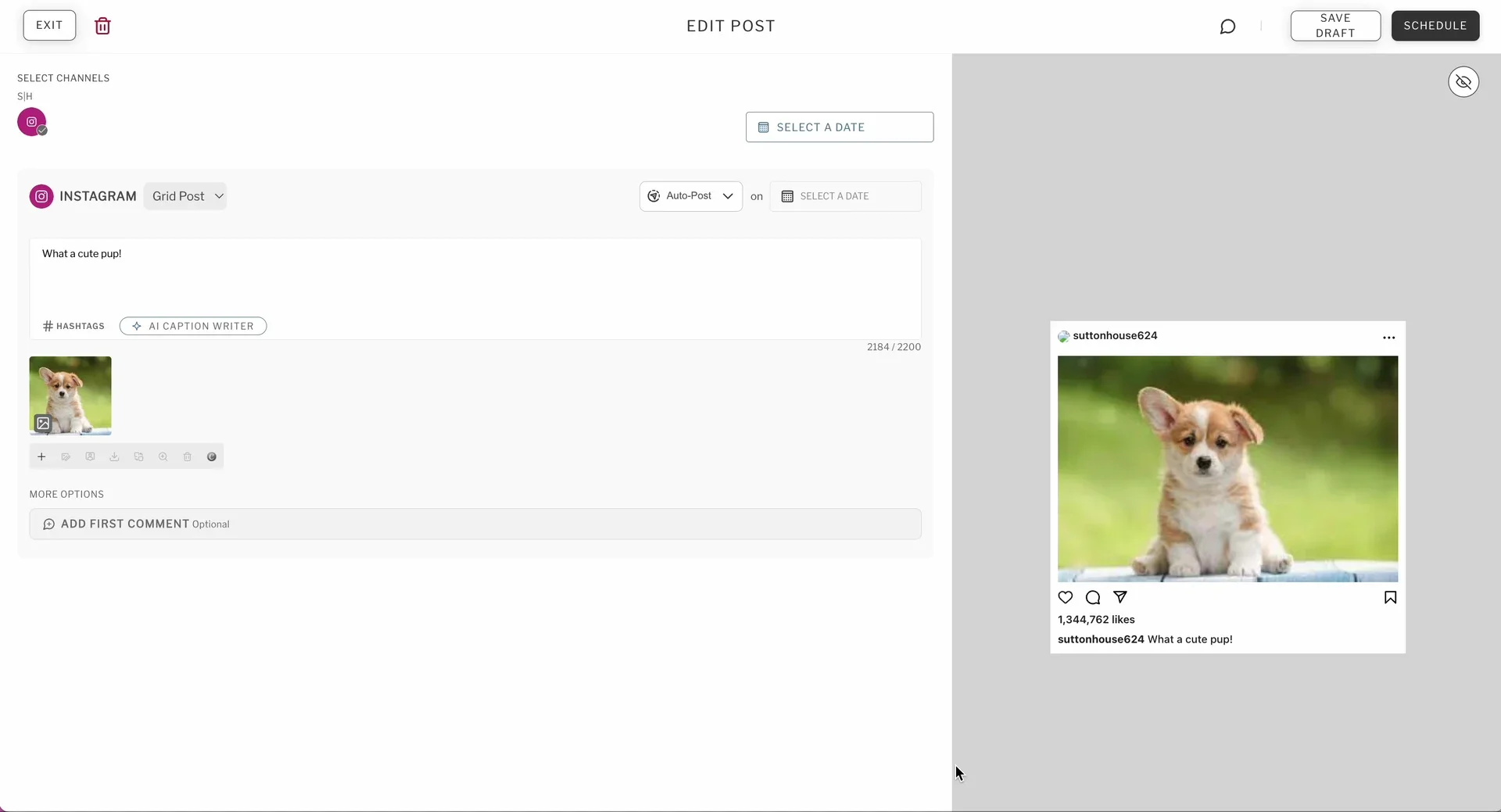
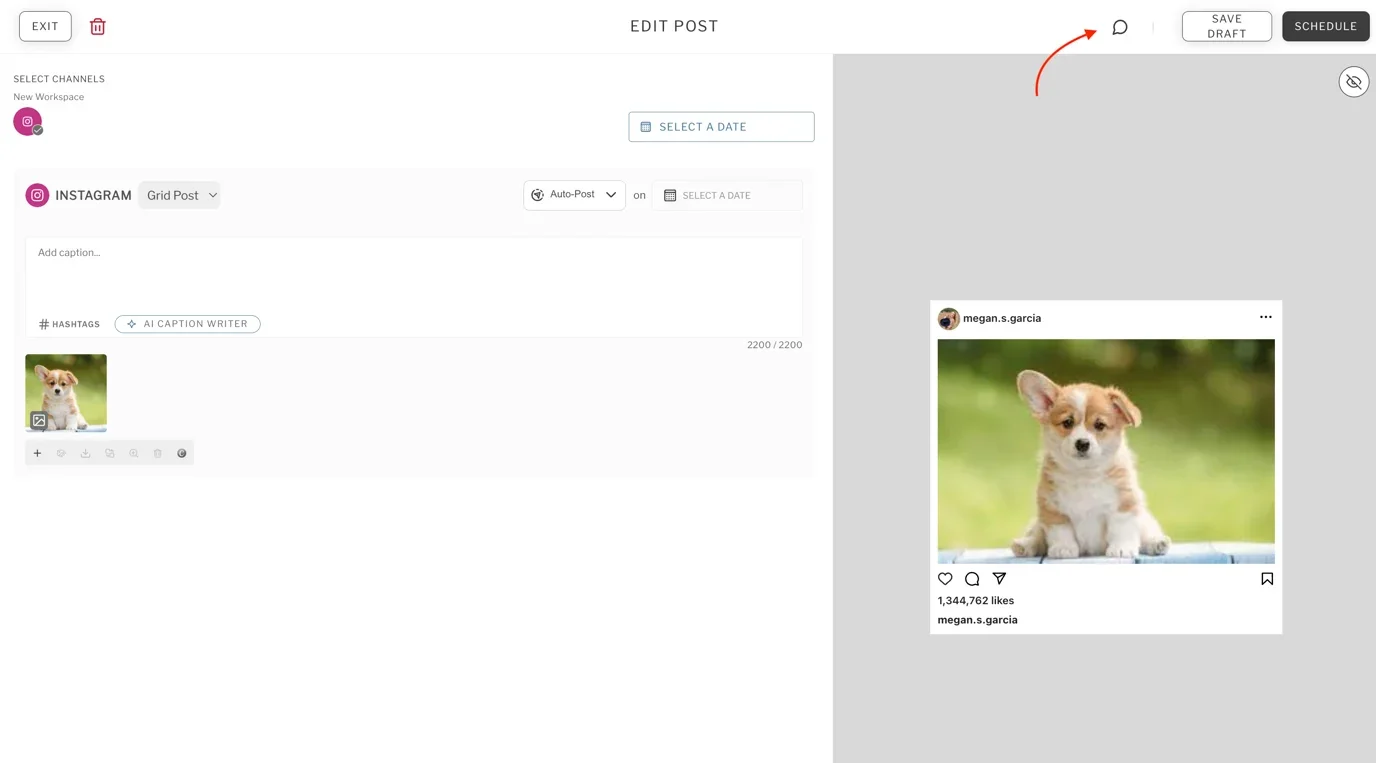
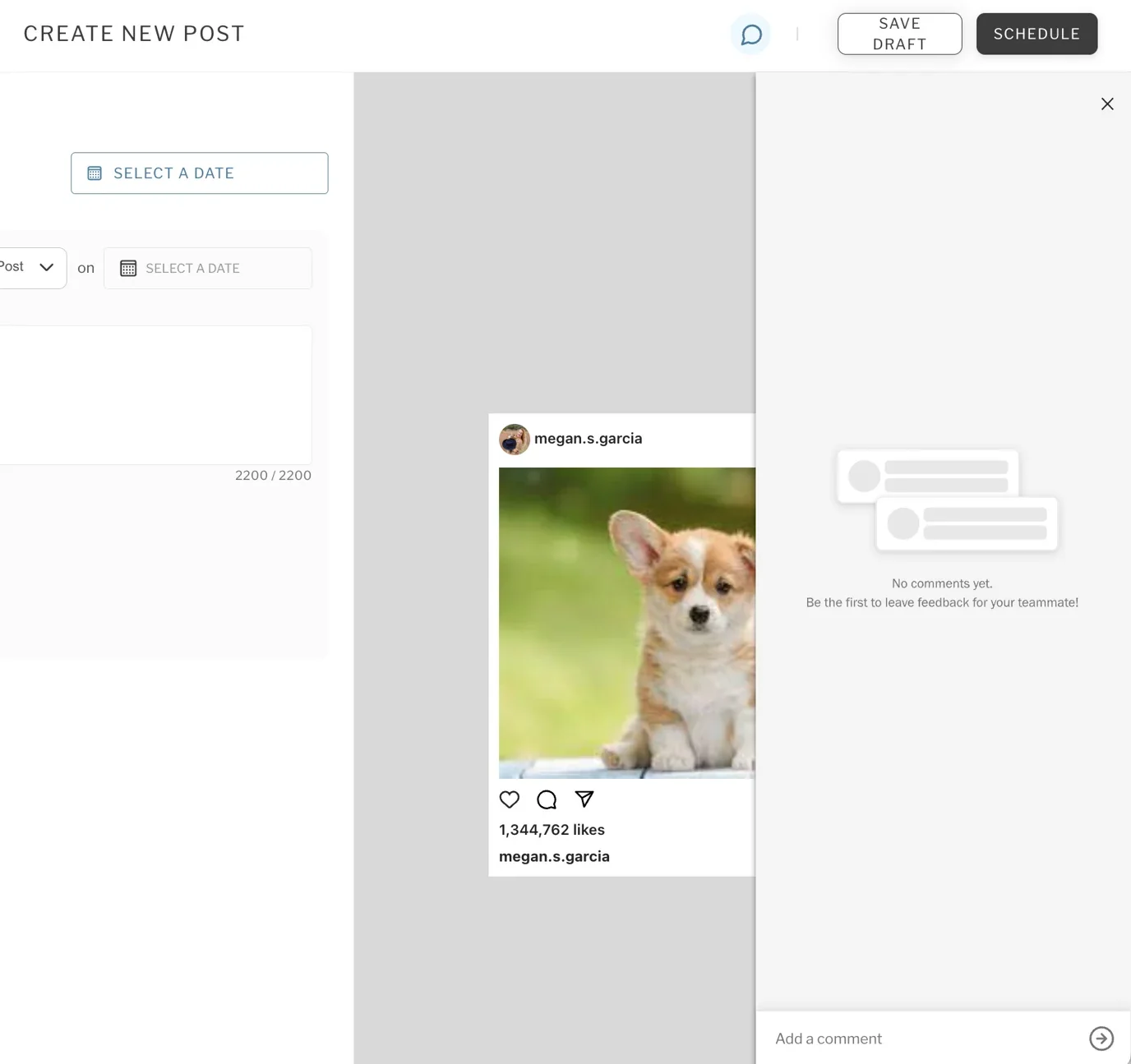
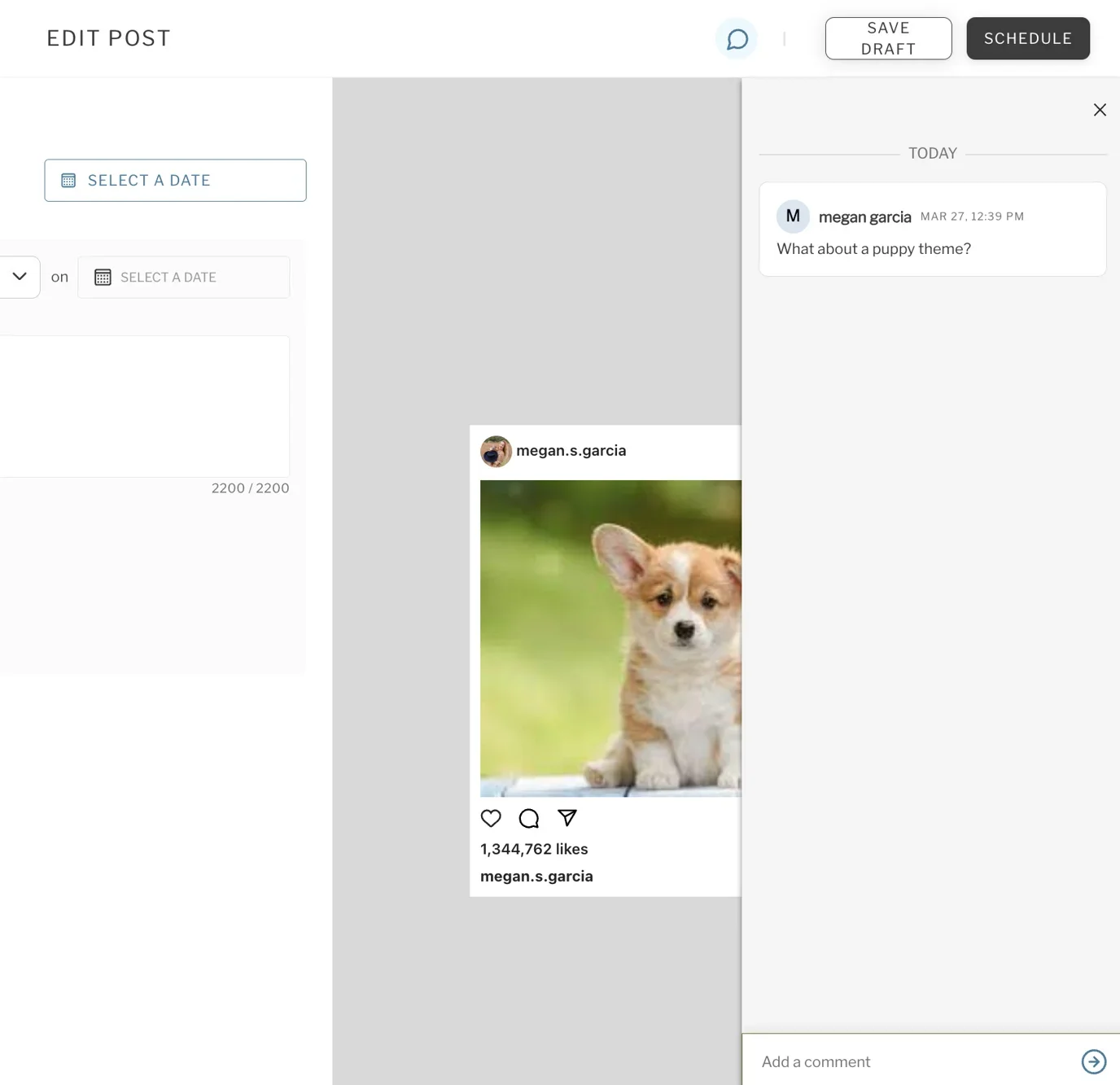
We introduced a slide-out sidebar that tethered feedback directly to the post preview.
The UI Win: No more "In the third photo of the carousel, can we change the caption?" or “The shadow in the reel V6 at :05 is bad, please re-edit.”
The Strategy: By making the preview the source of truth, we made the platform the indispensable meeting point for the team.
2. Multi-User Visibility
We added a dedicated Users & Collaborators section within the post-creation flow.
The Strategic Lever: By visually surfacing who was involved in a post, we nudged account owners to add more seats, transforming Planoly from a "tool" into a "workspace."
3. Real-Time Alignment
The threading system allowed for instant back-and-forth. This eliminated the need for external screenshots or status updates, significantly reducing the "Time-to-Schedule." It also kept users in platform, driving average session length up.
The Solution
By solving for "Feedback Friction," we moved the needle on two key growth-driving metrics:
Expansion Revenue: Increased the average number of users per professional account by making the collaboration features a primary value prop.
Retention: Once a team’s entire creative conversation lives within your platform, the switching cost increases dramatically.